What does a typical weekend in Lynnwood actually feel like? If you are considering a move here, that question matters just as much as square footage or commute times. Lynnwood offers a practical mix of parks, shopping, and housing choices, and understanding how those pieces fit together can help you decide whether it matches your day-to-day lifestyle. Let’s dive in.
Why Lynnwood Appeals
Lynnwood is best understood as a convenience-oriented suburb in the north Sound region. The city describes itself as positioned between Seattle, Bellevue, and Everett, with access near the I-5, I-405, and SR 99 corridor, which helps explain why so many buyers look here when they want reach across the region. According to City of Lynnwood business information, the city is about 16 miles north of Seattle.
That convenience shows up in everyday life. Lynnwood had an estimated 41,597 residents in 2025, a 51.1% owner-occupied housing rate, and a mean commute time of 29.9 minutes, based on U.S. Census QuickFacts and city economic development information. For buyers, that often translates to a city where errands, shopping, commuting, and recreation can all fit into a manageable weekend.
Parks Shape Weekend Life
One of the strongest surprises in Lynnwood is how much park access is packed into a relatively suburban setting. The city reports more than 350 acres of park land, 17 parks, over 100 acres of natural open space, and 14 miles of trails. If you want a place where your Saturday can include both errands and time outside, Lynnwood checks that box well.
The outdoor experience is not all the same, either. Some parks feel active and family-oriented, while others are better for a quiet walk or a slower morning outdoors. That range gives Lynnwood a more balanced feel than a simple retail hub.
Interurban Trail for Easy Movement
The Interurban Trail is one of Lynnwood’s signature outdoor assets. The city’s segment runs 3.8 miles, is mostly separated from motorized traffic, and connects with South Lynnwood Park and the Lynnwood Transit Center.
For buyers thinking about lifestyle, that matters because it supports casual bike rides, walks, and practical recreation without needing a full day trip. It also reflects a city that has built useful recreation into daily life, not just at the edges.
Scriber Lake for Nature Near Center
If you want the most distinctive nature setting close to the city core, Scriber Lake Park stands out. The city’s Scriber Lake Park Boardwalk Trail Project page notes about 1,100 linear feet of elevated trail, two water viewpoints, improved connections to the floating dock, and ADA access to the city’s only public-access lake.
That gives Lynnwood something many convenience-focused suburbs do not have: a true reset spot close to everyday services. If your ideal weekend includes coffee, errands, and a peaceful walk in the same part of town, this is the kind of feature that can make a difference.
Lynndale, Gold, and Meadowdale Options
For more active outdoor time, Lynndale Park offers a different experience. The city calls it Lynnwood’s largest park, with about 22 acres preserved as native forest plus athletic fields, a skate park, and an amphitheater for summer performances.
Gold Park adds a quieter forested setting with trails and disc golf, while Meadowdale Park expands the story with a mix of active recreation and habitat preservation. The same city source also highlights Lund’s Gulch as a watershed basin with second-growth forest, wetlands, and a connection toward Meadowdale Beach Park and Puget Sound access.
Together, these spaces make Lynnwood feel more layered than buyers sometimes expect. You can have a retail-heavy main corridor and still have meaningful outdoor variety for a normal weekend.
Shopping Is a Major Draw
If parks add balance to Lynnwood, shopping adds convenience. The city identifies Lynnwood as the retail hub of south Snohomish County, and Alderwood Mall remains the dominant anchor with roughly 1.3 million square feet of retail, dining, and entertainment.
That kind of retail concentration changes how a place feels to live in. For many households, Lynnwood works because routine errands, bigger shopping trips, and casual dining are all relatively close at hand.
Alderwood Anchors the Retail Core
Alderwood Mall is still the biggest name in Lynnwood shopping, and it shapes the area’s identity. Whether you are running errands, meeting friends, or knocking out multiple tasks in one trip, this part of the city supports that practical, all-in-one feel.
For buyers relocating from denser neighborhoods, it is helpful to think of Lynnwood as convenience-first rather than uniformly walkable. The retail strength is real, but it is often organized around major corridors and destination centers rather than evenly spread block by block.
City Center Is Evolving
Lynnwood’s next chapter is increasingly tied to transit-oriented growth. The city’s City Center planning page describes ongoing upgrades around the Lynnwood City Center Station, including new public spaces, housing, streets, and pedestrian improvements.
That same source says there are over 500 multifamily units under construction, another 1,400 entitled, more than 500,000 square feet of planned office space, and 200,000 square feet of planned retail. Northline Village adds 1,369 residential units plus more than 250,000 square feet of retail and more than 500,000 square feet of office space.
For buyers, this points to a more mixed-use future. If you like the idea of living closer to newer development, transit connections, and a more urban-style pattern of services, City Center is an important area to watch.
Home Styles in Lynnwood
Lynnwood’s housing stock tells the story of a city that grew in stages. According to the city’s Housing Needs Assessment, single-family homes make up 49% of the housing stock and occupy 84% of residential land area. The rest includes mobile homes, 2- to 4-plexes, and larger multifamily buildings.
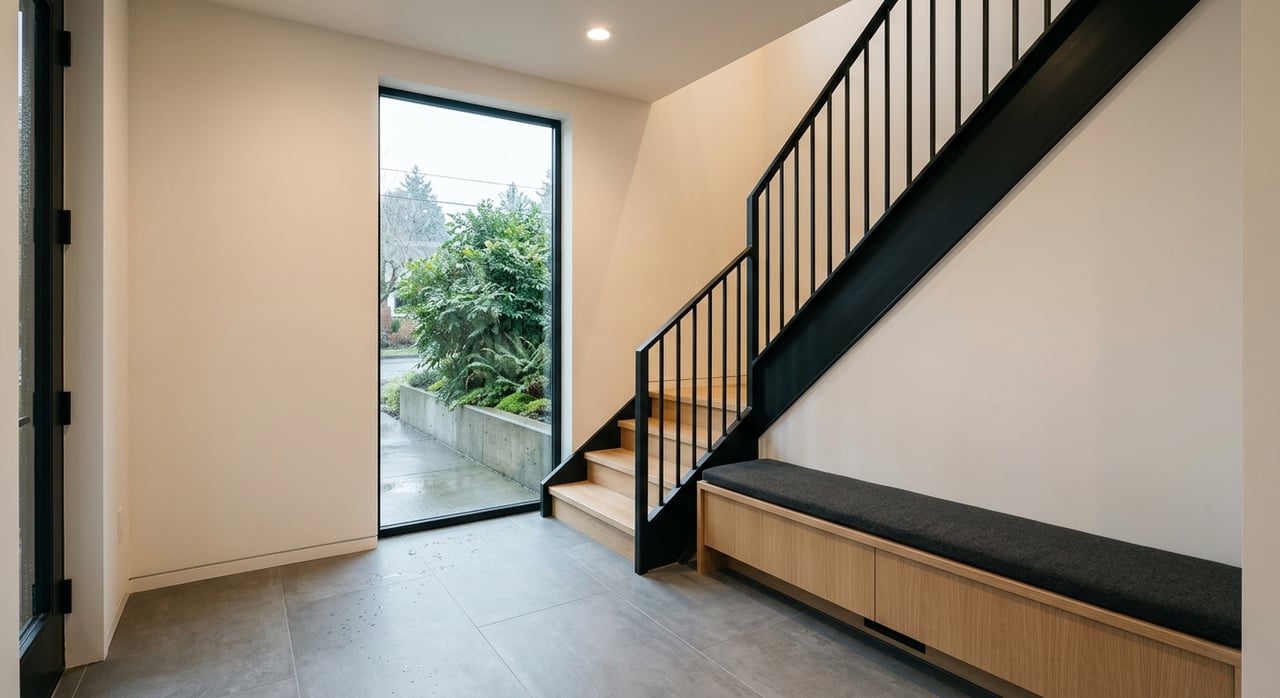
That means many buyers will still encounter established detached-home neighborhoods as a major part of Lynnwood’s identity. At the same time, newer townhome and apartment-style development is becoming more visible, especially near City Center and Alderwood.
Established Detached Homes
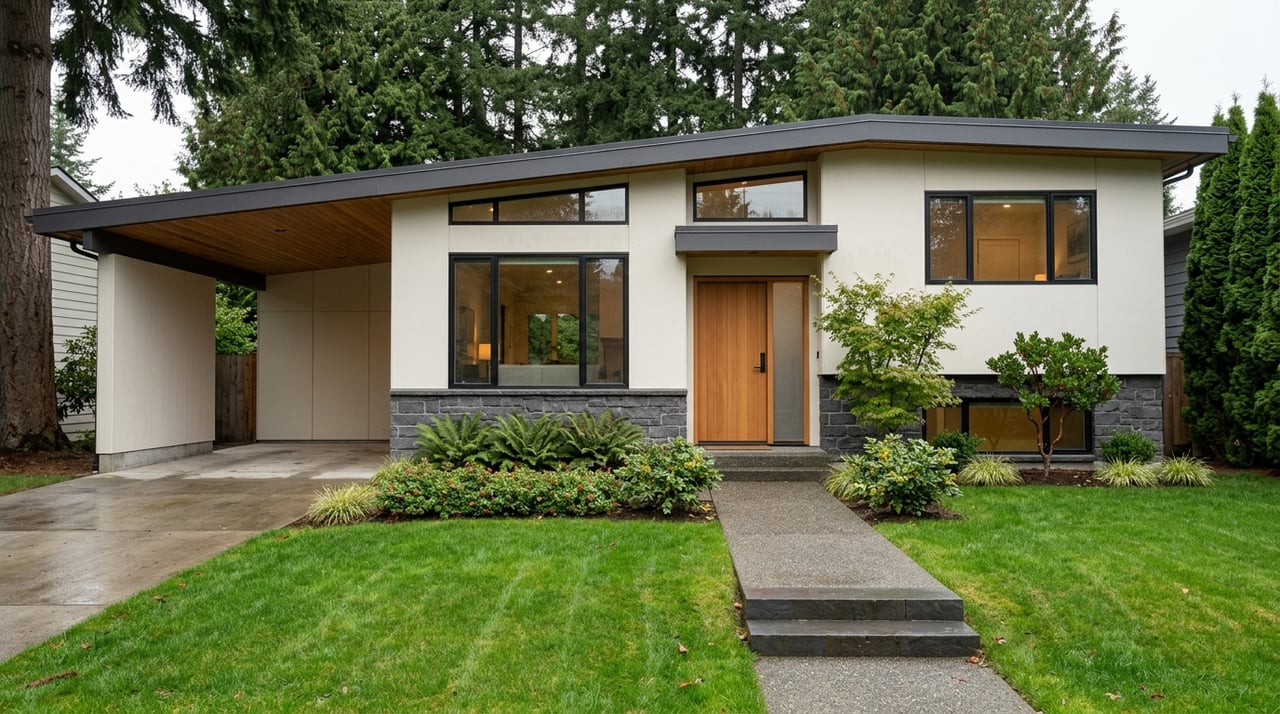
If you picture Lynnwood as a classic suburban market, you are not wrong. Established single-family homes remain a large share of what buyers see, and that housing pattern reflects the city’s postwar growth and later incorporation in 1959.
For buyers who want more yard space, a traditional neighborhood layout, or a home with update potential, this part of the market is still central. From Davey Wilde’s perspective, these are often the homes where smart improvements can create meaningful value over time.
Townhomes and Multifamily Growth
Lynnwood is not standing still, though. The city’s housing documents reference middle-density forms like cottage homes, duplexes, and townhomes, while also showing that multifamily housing is an important part of the city’s supply. The same assessment notes that 44% of multifamily units are in buildings with 20 or more units.
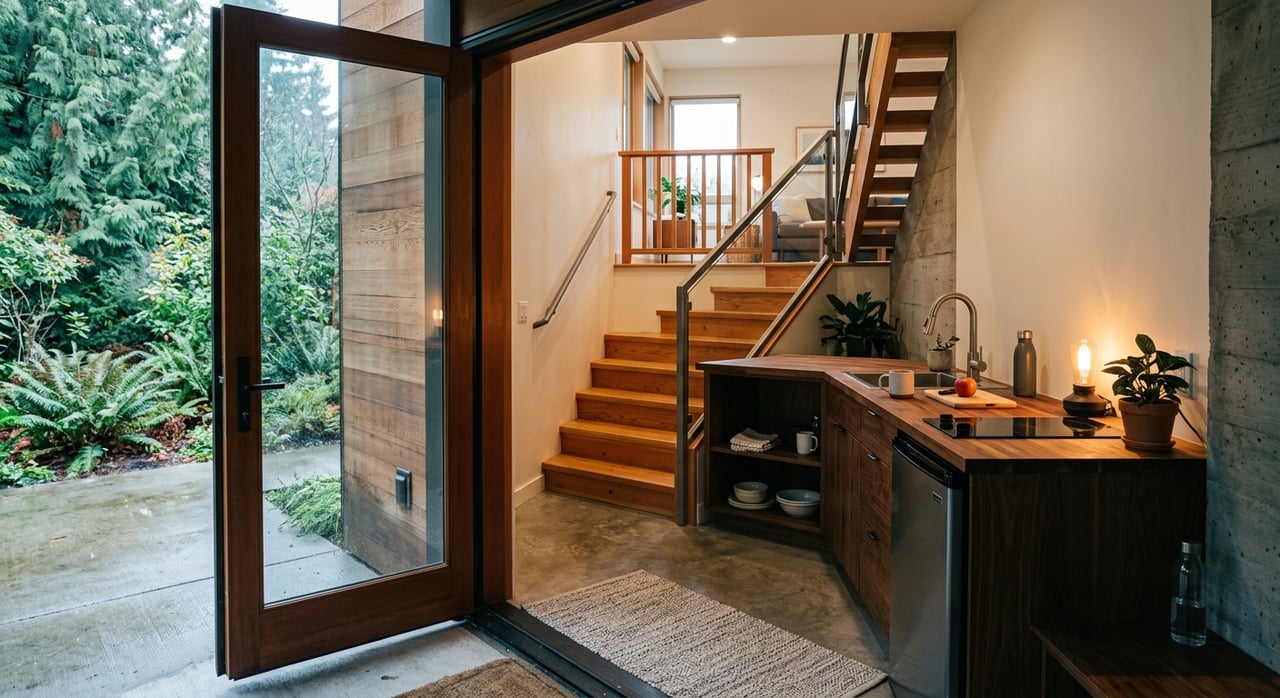
In practical terms, that gives buyers more than one path into the market. You may find established detached homes in long-developed areas, or newer townhome and multifamily options clustered near retail and transit-oriented development.
Price Context Matters
Price also shapes how buyers experience Lynnwood. U.S. Census QuickFacts lists a median owner-occupied housing value of $686,900 and a median gross rent of $1,742.
Those numbers suggest a market where both ownership and rental costs matter. If you are weighing whether to buy now, the most useful strategy is often to match your budget to the part of Lynnwood that best fits how you actually live on weekends and weekdays.
What Weekend Living Looks Like
For many buyers, Lynnwood works best when you view it as a combination of three strengths: practical location, strong retail access, and better outdoor options than you might expect. You can spend a morning on a trail, stop by a park like Scriber Lake or Lynndale, and still handle your shopping in one general area.
That does not mean every part of Lynnwood feels the same. Some areas lean more established and residential, while others are increasingly shaped by mixed-use and transit-oriented growth. Understanding that difference is key when choosing the right home style and location within the city.
If you are trying to sort through Lynnwood’s options, it helps to work with an agent who understands not just pricing, but also where value can be added over time. Whether you are looking for an established house with upside, a townhome near newer development, or a property that fits a longer-term investment plan, Davey Wilde can help you evaluate what makes the most sense for your goals.
FAQs
What is weekend life like in Lynnwood, WA?
- Weekend life in Lynnwood often centers on a mix of parks, trails, shopping, dining, and everyday convenience, with popular outdoor spots including Interurban Trail, Scriber Lake Park, Lynndale Park, and Meadowdale Park.
What shopping areas are most popular in Lynnwood, WA?
- The most concentrated shopping is around Alderwood Mall and the broader Alderwood and Highway 99 retail area, with City Center adding more mixed-use retail over time.
What kinds of homes are common in Lynnwood, WA?
- Lynnwood includes many established single-family homes, along with mobile homes, smaller plex-style properties, and larger multifamily buildings, with newer townhome and apartment-style development concentrated near City Center and Alderwood.
Is Lynnwood, WA more suburban or urban?
- Lynnwood is best described as a convenience-oriented suburb with a strong retail core, growing transit-oriented development, and a range of parks and trails.
How is Lynnwood City Center changing?
- Lynnwood City Center is being upgraded with new housing, public spaces, pedestrian improvements, retail, office space, and development centered around the Lynnwood City Center Station and Northline Village.