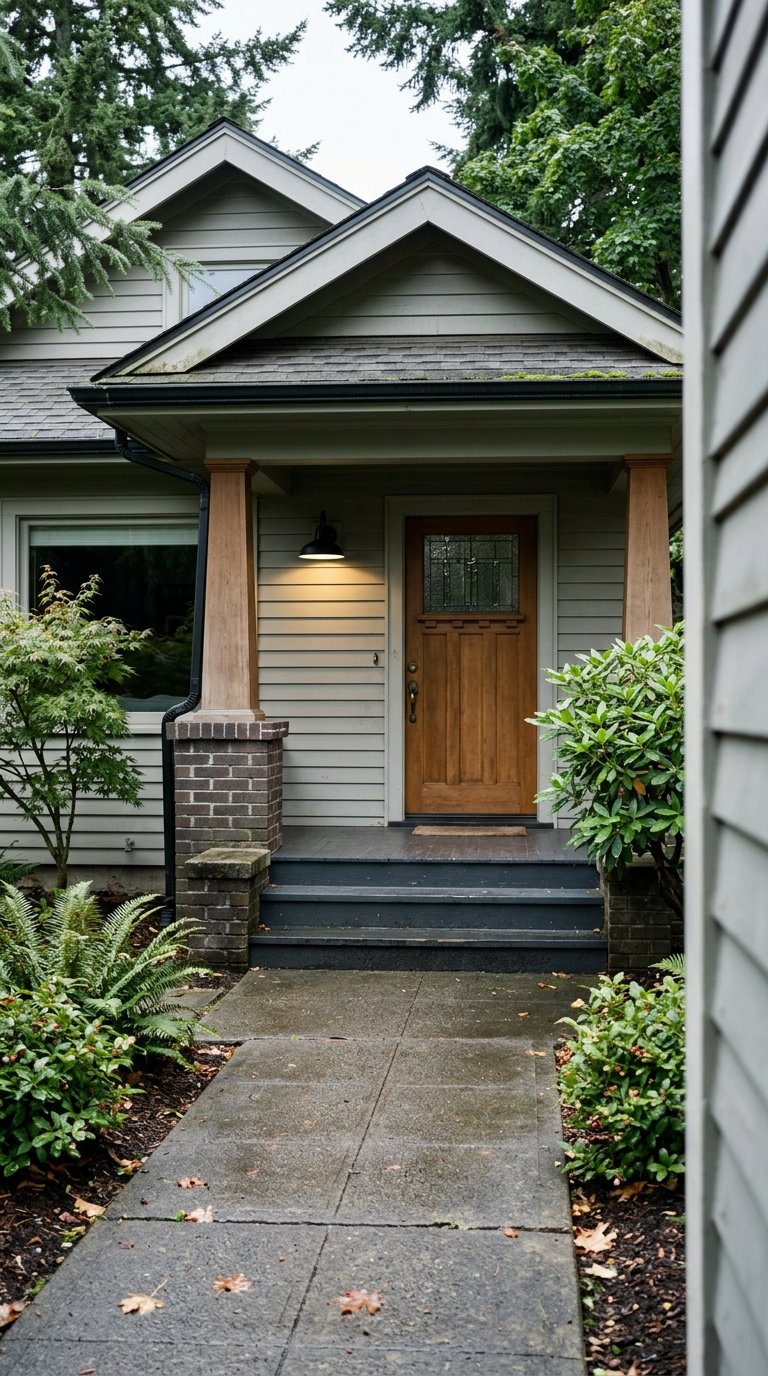
Thinking about buying an older Seattle home? You are not alone, and you are definitely not imagining the tradeoff. Many of Seattle’s most appealing homes come with character, established locations, and details you may not find in newer construction, but they can also come with aging systems, permit questions, and update costs that are easy to underestimate. If you go in with a clear plan, you can make a smart purchase and avoid turning a charming house into a budgeting surprise. Let’s dive in.
Why older Seattle homes stand out
Older homes are a major part of Seattle’s housing stock. City data shows Seattle had roughly 110,000 homes older than 1970 in assessor-based July 2022 data, and about 91% of those older homes were detached houses.
That matters if you are shopping for a classic Seattle property with original character. The city’s older inventory is heavily made up of detached homes, including tens of thousands with effective build years in 1940 or earlier, the 1940s, the 1950s, and the 1960s.
If you are expecting to find the same volume of older townhomes, the picture is different. Seattle’s flats and townhomes are much more likely to have effective build years in the 1970s or later, so truly older inventory is more commonly a detached house story than a townhome story.
Start with the right mindset
The biggest mistake buyers make is treating an older home like a mostly cosmetic project. In many cases, the first updates are not about countertops or paint colors. They are about the parts of the home that keep it safe, dry, functional, and code-compliant.
A better approach is to think in phases. Start with must-do items, then move into first-year system upgrades, and save optional style changes for later when possible.
That mindset fits how Seattle handles remodeling too. Existing portions of a house may not need to be upgraded to current code unless they are being remodeled, but new work still needs to meet current code and any structural impacts have to be addressed.
What buyers often update first
In older Seattle homes, early update decisions usually center on the building shell and core systems. That can include the roof, exterior shell, structural support, electrical, plumbing, heating and ventilation, drainage or side sewer concerns, and hazardous-material precautions.
This is one reason renovation planning matters before you close, not after. A house that looks livable on the surface may still need significant work behind the walls or under the house.
Seattle’s remodeling guidance also points to the importance of structure. For example, the city notes that a second-story addition may require structural upgrades to support the new construction.
Focus on safety before finishes
If you are deciding where your first dollars should go, safety and habitability usually come before design upgrades. That means prioritizing issues like:
- active leaks or roof concerns
- electrical systems that need updating
- plumbing problems
- heating or ventilation deficiencies
- structural issues
- drainage or sewer-related repairs
- hazardous-material testing and abatement where needed
Once those items are understood, it becomes much easier to decide what cosmetic work can wait.
Cosmetic work may be phased later
Seattle allows some smaller jobs without permits, including painting, kitchen cabinets, paneling, some surface finishes, insulating existing buildings, and some like-kind repairs. Some roof and siding repairs on detached one- and two-family houses may also be permit-exempt when there are no structural or building-envelope changes.
That can help you spread out your spending. You may be able to move in, handle system-related needs first, and schedule finish updates later rather than trying to do everything at once.
Seattle permit rules can shape your budget
In Seattle, permit costs and timelines are part of the renovation budget. The city’s baseline is that most projects need a permit, even though some minor repairs or alterations may be exempt if they cost $6,000 or less in any six-month period.
That exemption is narrower than many buyers expect. Seattle still requires permits for structural work, changes to the building shell, or work that affects egress, light, ventilation, or fire resistance.
In plain terms, if your project goes beyond surface-level updates, you should assume permitting needs to be part of your plan.
One project can mean several permits
Many buyers think of a remodel as one job, but Seattle often treats it as several tracks. Different parts of the project can require separate permits and inspections.
For example:
- electrical wiring changes need an electrical permit
- mechanical and HVAC work need a mechanical permit
- plumbing code is enforced by Public Health – Seattle & King County
- side sewer and water-service work require separate permits and inspections
Smaller remodels may qualify for a subject-to-field-inspection permit, while larger or more complex work may go through the regular construction permit process.
Revisions and inspections affect timing
Budgeting for an older home is not just about contractor bids. It is also about time.
If your scope changes during construction, Seattle requires approval or a permit revision before the new work moves forward. After a permit is issued, the city inspects the work against the approved plans and applicable codes, and final approval to occupy comes only after required inspections are complete.
That means your renovation budget should include both money and contingency time.
Historic review may add another layer
Some older Seattle homes are affected by historic-preservation rules. The city has eight historic districts and more than 400 designated landmarks, and in those areas, exterior appearance changes are regulated through city review.
In some situations, a Certificate of Approval may be required before work begins, even if a separate Seattle Department of Construction and Inspections permit is not needed. City materials also say regulated changes can include exterior alterations and, in some cases, paint color changes.
If you are buying a home with historic status or in a historic district, it is wise to confirm that early. It can influence both your design choices and your renovation timeline.
Older materials can change your plans
With older homes, materials matter just as much as layout. Homes built before 1978 are more likely to have lead-based paint, and renovation in pre-1978 homes can create significant lead dust.
Buyers of most housing built before 1978 are also entitled to lead-related disclosure information before signing a contract or lease. That disclosure is not a reason to panic, but it is a reason to plan carefully.
Washington State guidance also notes that older products can contain asbestos. Washington Labor & Industries advises that asbestos should be identified before renovation, repair, maintenance, or demolition work that could disturb it.
Why this matters for your budget
Hazardous-material precautions can affect both cost and scope. A project that seems simple, like opening a wall or replacing finishes, may require added testing, containment, or abatement steps.
That is one more reason older-home buyers should keep a reserve beyond their down payment and standard closing costs. Once walls, ceilings, or old flooring are opened up, surprises can become part of the project.
A smart way to budget updates
One of the most useful ways to budget an older Seattle home is to divide the work into layers. This keeps your expectations realistic and helps you protect your cash flow after closing.
Here is a practical framework:
Layer 1: Must-do items
These are the issues tied to safety, habitability, and preventing further damage.
- roof leaks or exterior water intrusion
- structural concerns
- unsafe electrical conditions
- major plumbing failures
- heating or ventilation issues
- hazardous-material evaluation or abatement where needed
Layer 2: First-year system work
These items may not be emergencies on day one, but they often shape comfort, reliability, and long-term maintenance.
- electrical improvements
- plumbing updates
- HVAC or mechanical work
- drainage or side sewer work
- permit-driven corrections tied to planned remodels
Layer 3: Cosmetic upgrades
These are the changes that improve style and daily enjoyment but can often wait until the core issues are handled.
- paint
- cabinet updates
- finish materials
- decorative lighting
- non-essential layout refinements
This phased approach helps you buy with more confidence. It also gives you a clearer way to compare homes that need different levels of work.
How to evaluate an older home before you buy
When you tour an older home in Seattle, try to look past staging and focus on what will affect your budget first. The right house for you may still need updates, but you want to understand where the likely costs will show up.
A practical review often includes questions like:
- What is the condition of the roof and exterior shell?
- Are there signs of structural movement or deferred maintenance?
- How old are the electrical, plumbing, and heating systems?
- Will the updates you want likely trigger permits?
- Is the property in a historic district or subject to landmark review?
- Was the home built before 1978, and what lead disclosures apply?
- Could planned work disturb materials that may contain asbestos?
You do not need every answer on day one. But the more clearly you understand the likely sequence of work, the better your buying decision will be.
The payoff of buying with a plan
An older Seattle home can absolutely be a rewarding purchase. The key is not expecting instant turnkey simplicity from a property that may have decades of history behind its walls.
If you buy with a staged plan, realistic reserves, and a clear understanding of Seattle’s permit and renovation landscape, you can make a thoughtful decision. Character, location, and long-term upside are often still there. You just want to pair them with a practical roadmap.
If you want help evaluating older homes, renovation potential, and what the likely update path could look like before you make an offer, work with Davey Wilde.
FAQs
What kinds of older homes are most common in Seattle?
- In Seattle’s older housing stock, detached houses make up the large majority of homes older than 1970, according to city assessor-based data.
What updates usually come first in older Seattle homes?
- Early updates often focus on safety and habitability, including the roof, exterior shell, structural support, electrical, plumbing, heating and ventilation, drainage or sewer issues, and hazardous-material concerns.
Do Seattle remodels usually need permits?
- Yes. Seattle’s baseline assumption is that most projects need permits, especially if the work involves structure, the building shell, egress, light, ventilation, or fire resistance.
Can cosmetic updates in a Seattle home wait until later?
- Often, yes. Some smaller cosmetic jobs, such as painting, cabinets, and certain surface finishes, may be phased after more urgent system or permit-related work is handled.
Do historic rules affect updates to some older Seattle homes?
- Yes. Homes in Seattle historic districts or with landmark status may need city review for exterior changes, and some work may require a Certificate of Approval before it begins.
Should buyers of pre-1978 Seattle homes plan for lead or asbestos concerns?
- Yes. Homes built before 1978 are more likely to have lead-based paint, and older materials can contain asbestos, so renovation planning should account for testing, disclosure, and safe handling where needed.