Thinking about living in Kenmore? If you want a place where lake access, trails, and daily convenience all show up in real life, Kenmore stands out for more than just its map location. Whether you are relocating, buying your first home here, or sizing up long-term value, this guide will help you understand what everyday home life in Kenmore can actually look like. Let’s dive in.
Why Kenmore Feels Different
Kenmore sits at the north end of Lake Washington, and the city describes itself as an urban community surrounded by the outdoors. That mix shapes daily life in a way many buyers notice right away. You can be close to Seattle and the Eastside while still having water, trails, and open space built into your routine.
For many people, that balance is the draw. You are not choosing between access and scenery as much as you are trying to find the right version of both. In Kenmore, the lake and trail network are part of how people move through the day, not just weekend extras.
Getting Around Kenmore
Kenmore offers more than one way to get where you need to go. The city highlights access by highway, the Burke-Gilman Trail, boat, and seaplane, with Seattle and Eastside job centers nearby. State Route 522 runs east-west through town and helps connect daily trips.
If you use transit, the 73rd Ave Park & Ride is served by King County Metro and Sound Transit. Biking is also part of the local transportation picture, not just recreation. The city is active in improving Burke-Gilman and SR-522 accessibility, which reflects how important safe connections are to residents.
Census estimates show an average commute of 28.8 minutes in Kenmore. That number will vary based on where you work and how you travel, but it gives you a useful baseline as you compare Kenmore with other North King County options.
Lake Access Shapes Daily Life
One of the biggest lifestyle advantages in Kenmore is straightforward public access to the water. This is not just a lake-view story. It is a city where shoreline parks, hand-powered craft access, and day-use moorage are part of the local setup.
Log Boom Park is one of the clearest examples. It offers about 1,200 linear feet of Lake Washington shoreline, plus a beach, restrooms, day-use moorage, and direct access to the Burke-Gilman Trail. If your ideal day includes a walk by the water, launching a kayak, or simply sitting near the lake, that kind of access matters.
Rhododendron Park adds another layer to the outdoor experience. It includes a 12.5-acre riverfront setting, about 600 feet of Sammamish River shoreline, a boardwalk, a playground, boat-launch access, and a public boathouse. Together, these spaces make Kenmore feel connected to the water in a practical, everyday way.
Trails Make the Area Feel Connected
For many buyers, trails are a quality-of-life feature that quickly becomes part of the weekly routine. The Burke-Gilman Trail runs more than 20 miles, passes through Kenmore, and connects to the Sammamish River Trail in Bothell. That gives you options for exercise, bike commuting, or longer weekend rides without needing to drive first.
The Sammamish River Trail runs 10.1 miles from Bothell to Marymoor Park and sees heavy use from both commuters and recreational users. In practical terms, that means Kenmore plugs into a much larger regional trail system. If you value active transportation or easy outdoor recreation, that can carry real weight in your home search.
The city’s waterfront and access projects have also centered on safer pedestrian and cycling routes. That matters because trail access feels most useful when it links naturally to parks, downtown spots, and daily errands.
Parks and Outdoor Space in Kenmore
Kenmore’s parks system is relatively small, but it is focused and highly usable. The city says it maintains 8 parks and more than 93 acres of parkland. What stands out is how much of that experience is tied to shoreline access, boardwalks, playgrounds, and trail connections.
If you want a bigger natural escape without leaving town, Saint Edward State Park is a major local asset. Located at 14445 Juanita Drive NE, it offers forested trails, lake access, biking, hiking, paddleboarding, swimming, picnic areas, and the Lodge at Saint Edward. For many residents, having that kind of day-use park nearby changes what a normal weekday evening or weekend morning can look like.
This is part of Kenmore’s appeal for buyers who want an outdoor lifestyle that feels easy to maintain. You do not need to plan a full trip to enjoy the setting. In many cases, the outdoors can fit into an hour or two between other parts of your day.
Downtown Kenmore and Daily Conveniences
Kenmore is not just about parks and trails. The city has worked to shape a more defined downtown core through redevelopment that added the Hangar at Town Square, a new library, mixed-use development, and the City Hall campus. The result is a more walkable civic center with a clearer sense of place.
The Hangar at Town Square is one of the better examples of everyday community space in Kenmore. The city describes it as a place where residents and visitors can meet, sip coffee, work, or hang out free of charge. Diva Espresso operates on site and serves coffee, tea, smoothies, baked goods, sandwiches, ice cream, beer, and wine.
Town Square also adds practical features like bike racks, a bike maintenance station, bike charging, water features, and seasonal events. Current city calendars include uses like the Kenmore Farmers Market, Movies @ the Square, and the 4th of July celebration. For buyers who want some civic energy without a dense urban environment, that can be a strong fit.
What Housing Looks Like in Kenmore
Kenmore’s housing stock is still dominated by single-family homes. The city’s 2025 middle-housing guidebook says single-family housing is currently the predominant housing type, and city planning materials note that about 95% of residential land is zoned exclusively for single-family housing. If you picture Kenmore as mostly a single-family market, that is supported by the city’s own planning documents.
At the same time, the housing story is changing. Kenmore is planning for more housing choice, including duplexes, triplexes, townhomes, cottage housing, courtyard housing, stacked flats, accessory dwelling units, and mixed-use housing. Much of that future growth is expected in the SR-522 corridor and downtown, which the city identifies as a Countywide Growth Center.
For buyers, that means Kenmore offers both an established housing base and a longer-term shift toward greater variety. If you are considering how a neighborhood may evolve over time, that policy direction is worth understanding.
Home Prices and Market Expectations
Kenmore is a higher-cost ownership market, and buyers should go in with realistic expectations. Census data shows a median owner-occupied home value of $920,800, and median gross rent of $1,949. Recent public market trackers have placed the median sale price around $907,000 over the last three months, with median days on market around 11.
That combination points to a market where ownership costs are substantial and well-prepared buyers may still face competition. It does not mean every home moves the same way, but it does suggest that pricing, condition, and timing matter.
If you are planning a move here, it helps to be clear about your budget, must-haves, and where you can stay flexible. In a market like Kenmore, clarity often gives you an edge.
Renovation Potential in Older Pockets
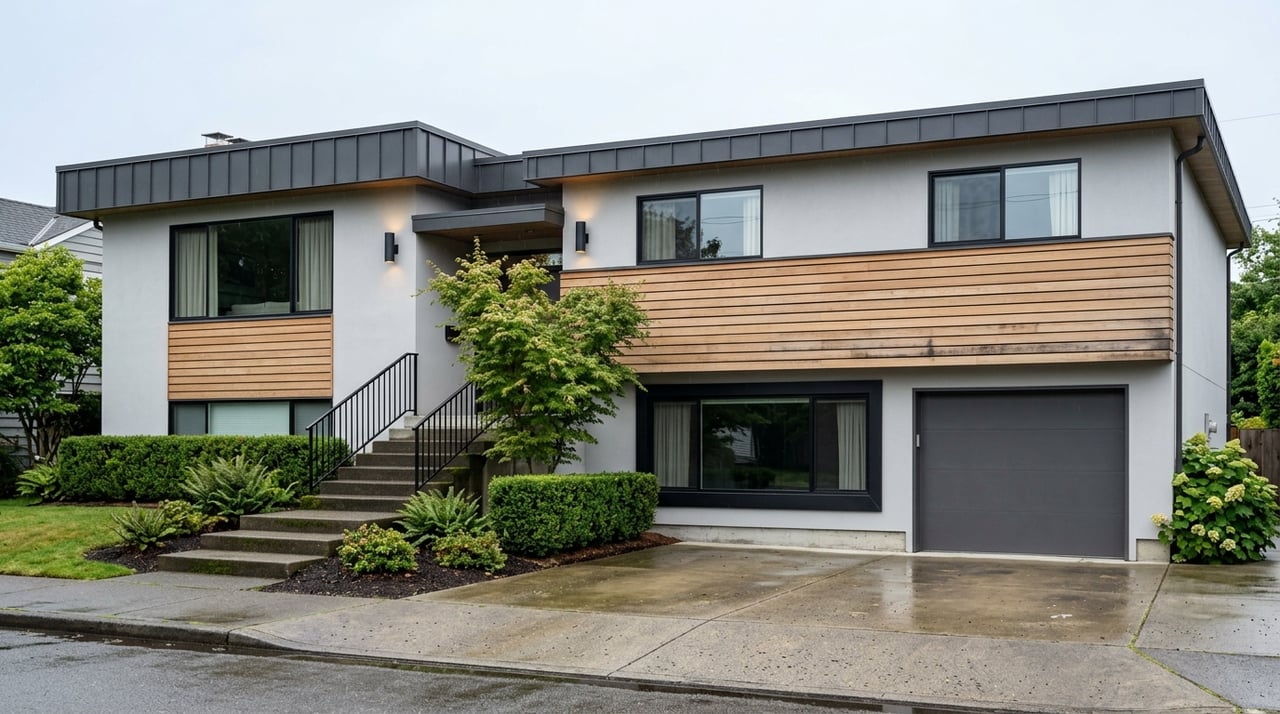
If you are open to value-add opportunities, Kenmore has some interesting traits. A city historic survey found that mid-20th-century areas such as Uplake Terrace were largely made up of single-family ranch and split-level homes from the 1950s and early 1960s. That does not describe every part of Kenmore, but it does help explain why some older pockets may appeal to buyers who see upside.
For some people, that means finding a home with a layout or lot that supports updates over time. For others, it means looking for a property with room to improve function, finish quality, or long-term resale appeal. If you like the idea of creating value through smart improvements, Kenmore can offer more than just move-in-ready options.
That is especially relevant in a market where price points are already high. When you understand which updates are practical and which ones may overreach, a value-add property can become a strategic path into the area.
Who Kenmore May Fit Best
Kenmore can make sense for a few different types of buyers. If you want lake and trail access woven into daily life, it offers that in a clear, usable way. If you need connections to Seattle, Bothell, or the Eastside, it also supports a fairly practical commute pattern through roads, transit, and regional trail links.
It may also appeal if you want a primarily single-family housing environment with a growing downtown core. And if you are open to older homes with renovation potential, there are reasons to look closely at the housing stock in select parts of town.
Like any market, the right fit comes down to your priorities. The key is matching your budget and home goals with the version of Kenmore that best supports how you actually want to live.
If you are weighing a move to Kenmore, buying a home with upside, or preparing to sell a property here, working with someone who understands both lifestyle fit and value potential can make a big difference. Davey Wilde helps buyers and sellers navigate Greater Seattle with practical guidance, clear strategy, and a sharp eye for opportunity.
FAQs
What is everyday life like in Kenmore, WA?
- Everyday life in Kenmore often centers on a mix of lake access, trail use, parks, and a growing downtown core, with practical connections to Seattle and the Eastside.
What parks and outdoor spaces are in Kenmore?
- Kenmore maintains 8 parks and more than 93 acres of parkland, including Log Boom Park, Rhododendron Park, and access to Saint Edward State Park.
How do you get around Kenmore, WA?
- Kenmore offers access by State Route 522, King County Metro and Sound Transit service at the 73rd Ave Park & Ride, the Burke-Gilman Trail, biking routes, boats, and seaplanes.
What types of homes are common in Kenmore?
- Single-family homes are the predominant housing type in Kenmore, though the city is planning for more duplexes, triplexes, townhomes, cottage housing, ADUs, and mixed-use housing.
Is Kenmore a competitive housing market?
- Kenmore appears to be a relatively competitive market, with recent public trackers showing a median sale price around $907,000 and median days on market around 11, alongside Census data showing a median owner-occupied home value of $920,800.
Are there older homes with renovation potential in Kenmore?
- Yes, some older Kenmore areas include mid-20th-century ranch and split-level homes, which may appeal to buyers looking for value-add or renovation opportunities.