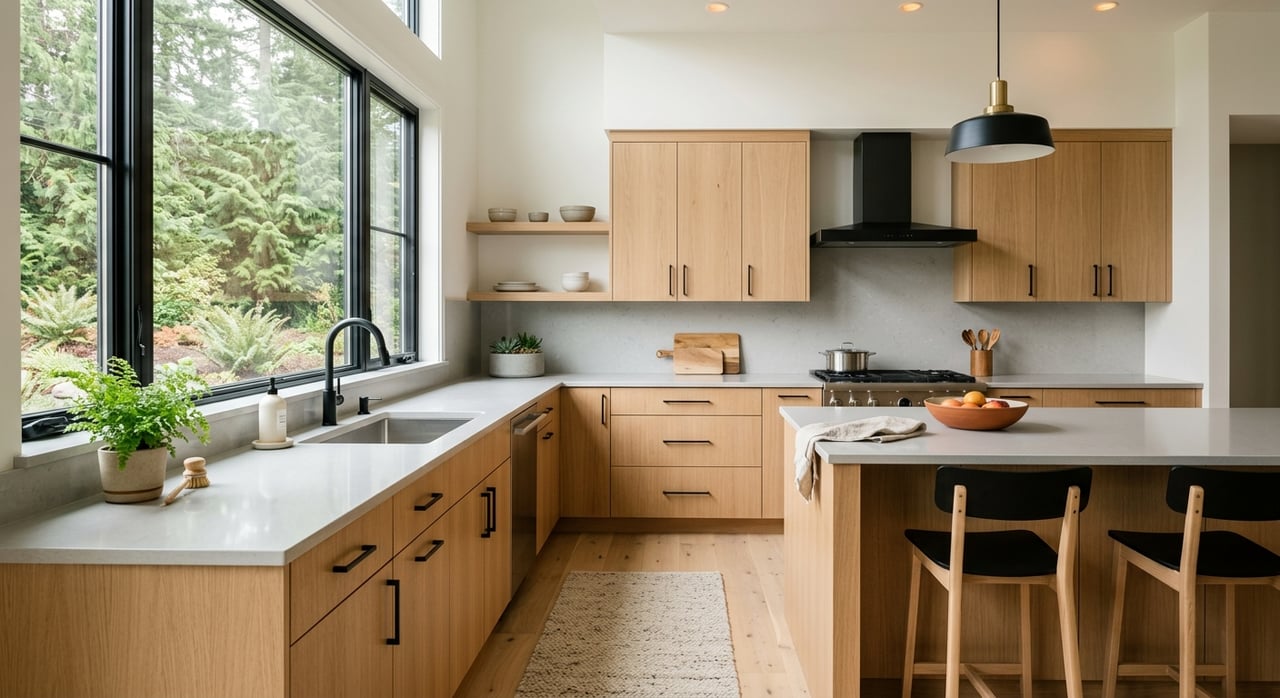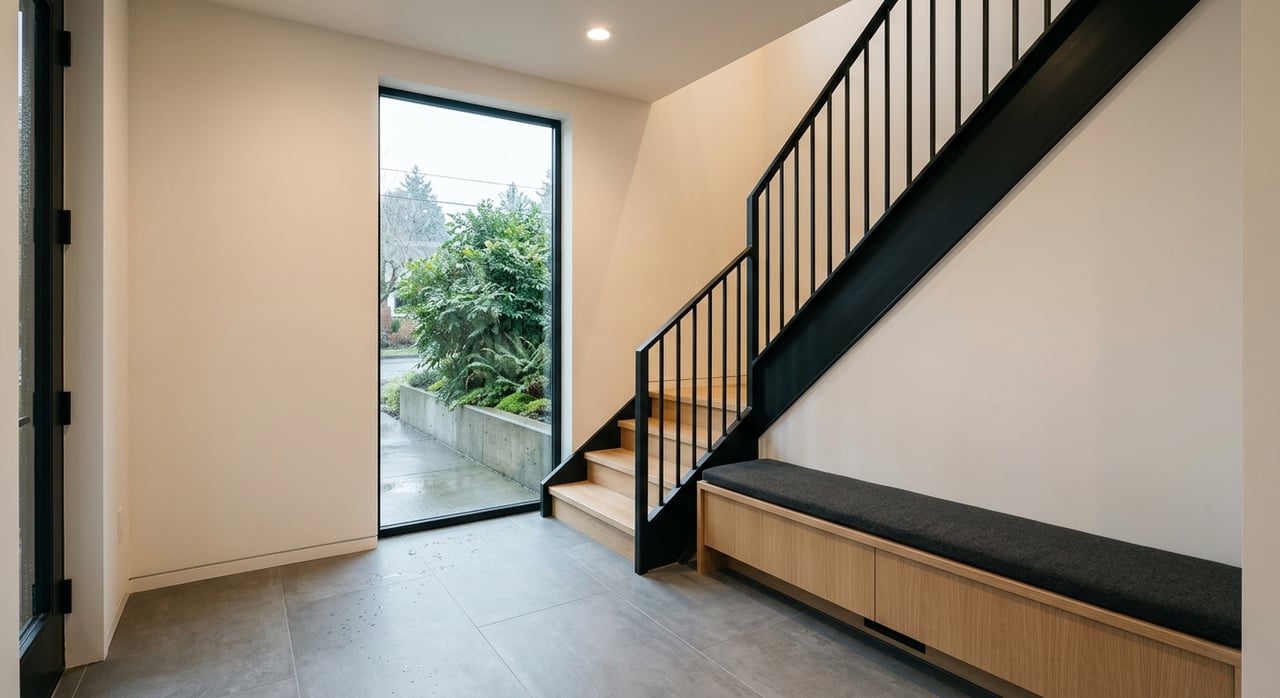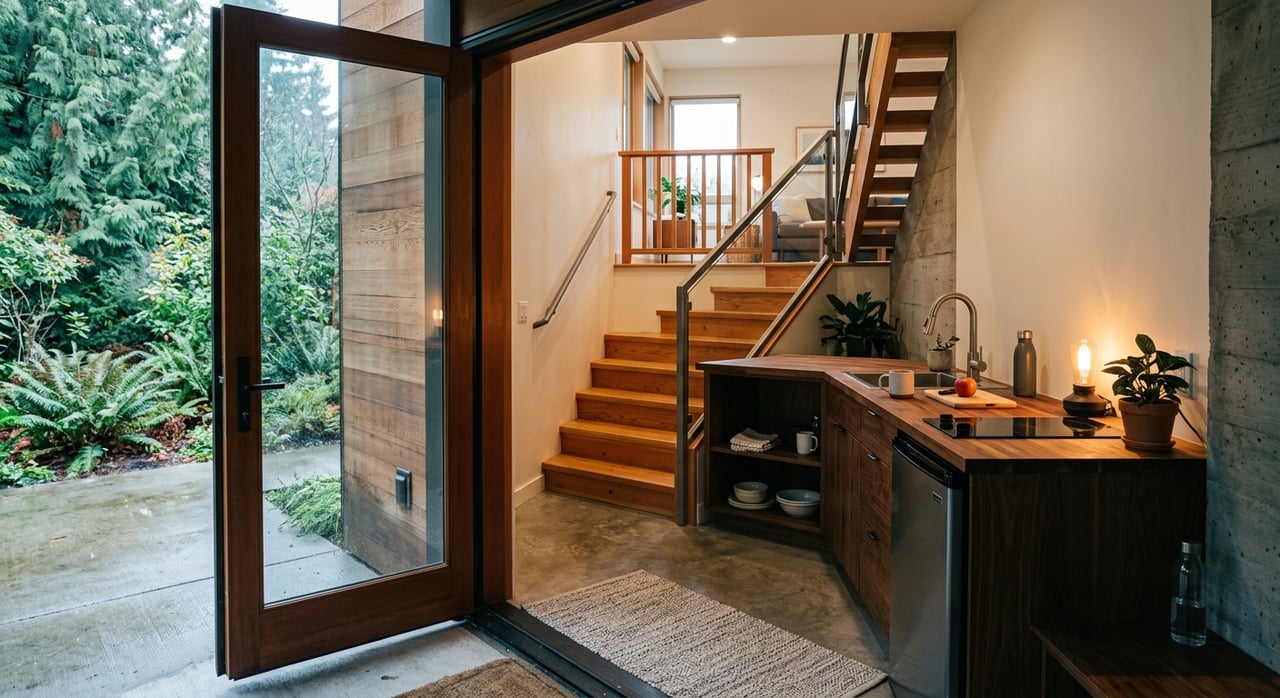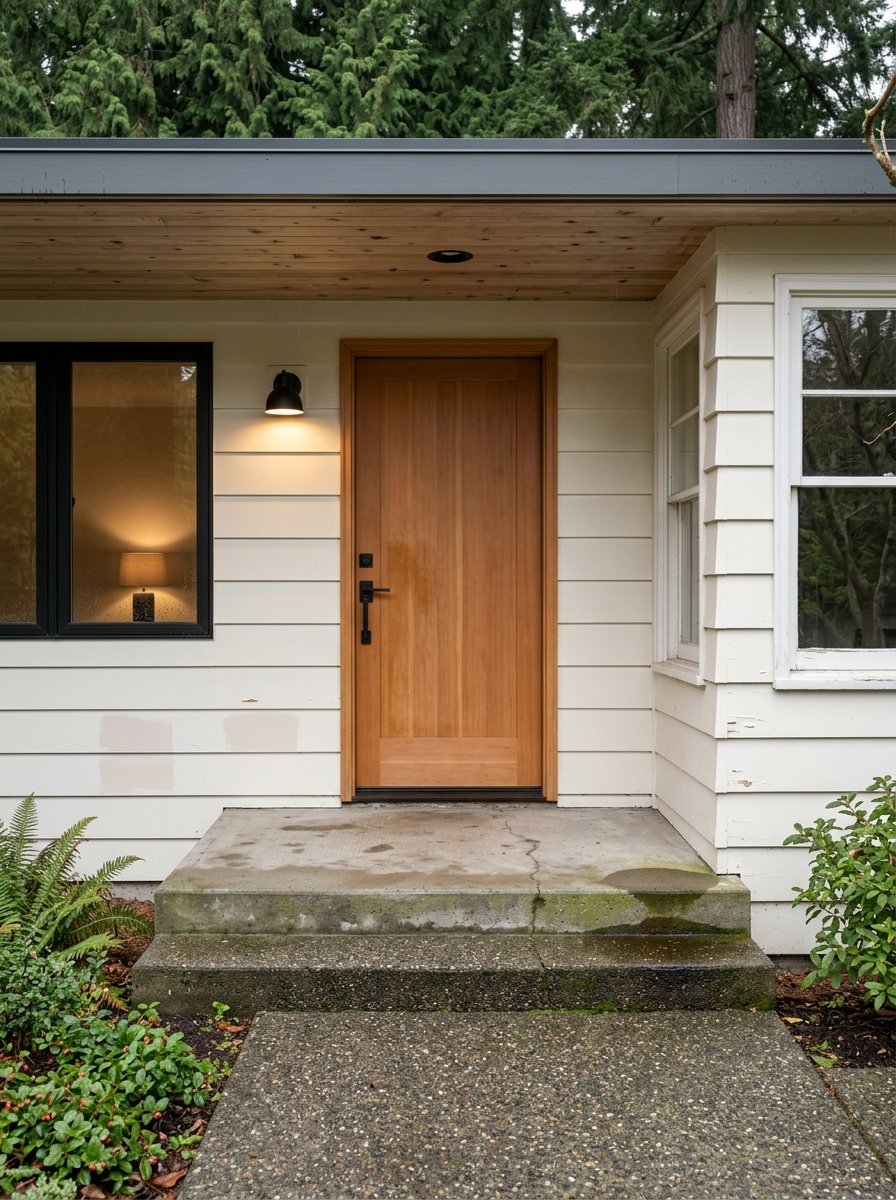
A fixer in Edmonds can look like the perfect opportunity. You see original character, a great location, and the chance to build value instead of paying top dollar for someone else’s remodel. But in a higher-priced market with older housing stock, the wrong renovation plan can get expensive fast. This guide will help you weigh charm against cost, spot the issues that matter most, and make a smarter fixer-upper decision in Edmonds. Let’s dive in.
Why Edmonds Fixers Stand Out
Edmonds is not a bargain market, which is exactly why renovation discipline matters. Census-based profiles show a median value of owner-occupied housing of $890,100 in Edmonds, compared with $696,000 in Snohomish County. In a market like this, a fixer can create upside, but only if you buy well and plan the renovation carefully.
The housing stock also helps explain why fixers are common here. Much of Edmonds’ housing was built between 1950 and 1969, and the city’s original townsite corresponds primarily to downtown and nearby residential areas. That often means solid locations and established homes, but also aging systems, older layouts, and deferred maintenance.
Edmonds adds another layer of appeal because it is a compact, walkable waterfront community with beaches, waterfront parks, and a historic downtown core tied to the Creative District. For buyers, that location appeal can support long-term value. It also means lot conditions, neighborhood context, and renovation feasibility matter as much as the house itself.
Charm vs. Renovation Reality
Older homes in Edmonds often win you over with details that are hard to recreate. You may find mature lots, original millwork, classic floor plans, and a lived-in feel that newer construction cannot match. That charm is real, and for many buyers, it is part of the reason to take on a project.
Still, finishes are rarely the whole story. In older homes, the bigger renovation issues are often the building envelope and core systems. A house may need roofing, siding, gutters, plumbing, heating and air conditioning updates, electrical work, or energy-efficiency improvements before you ever touch the kitchen cabinets.
That is where many fixer budgets go sideways. Cosmetic ideas are exciting, but the real cost often sits behind the walls or above the ceiling. If you are buying in Edmonds, you want to separate visible charm from the work that protects the home and keeps it functional.
Start With the Right Due Diligence
In Edmonds, renovation planning should begin before you close, not after. The city requires permits for adding, remodeling, altering, enlarging, repairing, moving, improving, removing, or converting a dwelling. Plans are reviewed for current building, mechanical, plumbing, fire, and energy codes.
That matters because your renovation is not just about what you want to change. It is also about what the city may require once work begins. A project that looks simple on day one can expand if code-related updates are triggered during permitting or construction.
The city’s residential remodel guidance also notes that a Critical Areas Determination and a surveyed site plan may be required. That means lot conditions can directly affect your timeline, design options, and total cost. For a fixer in Edmonds, the house inspection is only part of the homework.
Look Closely at Lot Conditions
Some Edmonds properties need extra review because of where they sit. The city’s shoreline jurisdiction includes Puget Sound, Lake Ballinger, and the tidally influenced Edmonds Marsh, generally extending 200 feet landward. Shoreline standards can be stricter than the underlying zoning.
The city’s critical-areas checklist also flags wetlands, streams, steep slopes, landslide areas, and floodplain or floodway conditions. If you are considering an addition, major exterior change, or site work, these factors should be checked early. A lot with strong visual appeal may come with real development limits.
This is especially important near the waterfront or on slope-heavy parcels. In those cases, your renovation decision is not just about budget. It is also about feasibility.
Pay Attention to Water Management
Edmonds gets about 37.2 inches of annual precipitation, and the city’s stormwater system channels runoff toward Puget Sound or Lake Ballinger. For buyers, that makes drainage more than a maintenance detail. It is a key part of protecting the house.
When you evaluate a fixer, pay attention to grading, gutters, downspouts, and perimeter drainage. Water issues can lead to ongoing repairs and can affect everything from foundations to basements to exterior finishes. In an older home, managing water well is often one of the smartest improvements you can make.
Budget for More Than the Contractor Bid
A realistic fixer budget in Edmonds should include hard costs, soft costs, and city fees. The city notes that permit-related fees are assessed at permit issuance, and the Building Division handles permits and inspections. In other words, your total project cost is bigger than the construction estimate alone.
You also need room for surprises. Older homes often reveal hidden issues once work starts, and that is one reason renovation financing programs allow contingency reserves. For example, Fannie Mae’s HomeStyle Renovation mortgage allows contingency reserves and requires a 10% reserve for some 2- to 4-unit transactions.
Even if your property type does not require that exact reserve, the takeaway is clear. In Edmonds, a meaningful contingency buffer is not optional. It is part of a responsible plan.
Carrying Costs Can Change the Math
Time is money on a fixer, especially in a premium market. Edmonds’ median selected monthly owner cost with a mortgage is $3,053. If your project runs long, those carrying costs can add up quickly.
That is why a fixer with a great end value can still become a poor deal. Delays in permits, contractor scheduling, design decisions, or unexpected repairs all increase the hold cost. When you run the numbers, build in enough time and enough cash to absorb real-world delays.
Financing Options for a True Fixer
If the property needs substantial work, renovation financing may help you preserve cash and tackle improvements more strategically. HUD’s Section 203(k) program can cover purchase or refinance plus rehabilitation for homes that are at least one year old. Fannie Mae’s HomeStyle Renovation mortgage can finance repairs, remodeling, renovations, and energy improvements into a conventional first mortgage.
These products can make sense when the renovation scope is part of the purchase strategy, not just an afterthought. They are especially useful when the home needs more than surface-level updates. For an older Edmonds property, that can include system improvements that support safety, comfort, and long-term value.
The key is to match the financing to the project. A light cosmetic refresh is one thing. A whole-house fixer with system upgrades, drainage work, or layout changes is another.
Which Improvements Matter Most in Edmonds
In a market with older homes and strong location appeal, the best renovations are usually the ones that improve function first and style second. That means focusing on the work that protects the property, supports everyday living, and makes the home easier to own over time.
Practical upgrades may include:
- Roofing, siding, gutters, and exterior repairs
- Plumbing, electrical, and heating system updates
- Energy-efficiency improvements
- Drainage and water-management work
- Layout changes that improve flow and usability
- Low-maintenance finishes and materials
Edmonds also has an older population, with a median age of 46.9 and 23.6% of residents age 65 or older. The city framed its 2024 ADU code update around aging in place, which makes accessibility and low-maintenance design especially relevant. Features that support easier daily living can add practical value, even if they are not flashy.
Think Beyond a Cosmetic Flip
A cosmetic-only rehab may not create enough margin in Edmonds unless the purchase price is especially strong. Because ownership costs are high, the more durable value-add plays tend to be the ones that improve livable space or create new flexibility.
That could mean finishing underused space, improving a lower level, or exploring legal accessory potential where feasible. Edmonds’ policy direction supports more than surface-level upgrades. The city’s 2024 comprehensive plan directs future investment toward Neighborhood Centers and Hubs, and its 2025 middle-housing ordinance allows duplexes, triplexes, fourplexes, cottage homes, and courtyard apartments in areas that previously allowed only single-family homes.
The city also updated its ADU code with aging in place in mind. For buyers looking at a hold strategy, legal ADU potential or small-scale density can be an important part of the analysis. The right fixer may offer not just a nicer house, but a better long-term use case.
Match the Property to Your Exit Strategy
Before you buy, decide what success looks like. Are you planning to move in and improve the home over time, renovate and hold for rental income, or complete a more comprehensive value-add project? Your answer should shape what kind of fixer you pursue.
A hold strategy can work well when the property can add usable square footage, improve functionality, or support a legal income stream. On the rental side, Edmonds’ median gross rent is $1,903, so the strongest rental plan usually depends on creating durable utility rather than relying on cosmetic upgrades alone.
If your plan is owner-occupancy, the right fixer may be the one with manageable system updates and a layout you can improve in stages. If your plan is investment-focused, you need a clear path to added value that fits local rules, carrying costs, and realistic construction budgets.
How to Buy Smarter in Edmonds
The best fixer purchases in Edmonds usually share a few traits. They are in appealing locations, have a renovation path that is clear enough to price, and offer upside that comes from more than paint and fixtures. They also come with a buyer who understands the difference between a charming house and a costly surprise.
A smart process usually includes:
- Reviewing the age and likely condition of major systems
- Evaluating drainage, grading, and exterior water management
- Checking whether shoreline or critical-area rules may apply
- Confirming permit and inspection expectations with the city
- Building in city fees, soft costs, and contingency reserves
- Stress-testing carrying costs against a realistic timeline
- Matching the renovation scope to your financing and exit plan
In a market like Edmonds, buying a fixer is rarely about chasing the cheapest home. It is about finding the right value-add opportunity and approaching it with a practical plan. When you do that well, charm and renovation do not have to compete. They can work together.
If you are weighing a fixer in Edmonds and want a clear, numbers-first view of the upside, Davey Wilde can help you evaluate acquisition, renovation scope, and next steps with a practical local strategy.
FAQs
What makes an Edmonds fixer-upper different from other Snohomish County homes?
- Edmonds is a higher-priced, mostly owner-occupied market with older housing stock, so the upside can be strong, but the renovation plan needs to be disciplined.
What should you inspect first when buying a fixer in Edmonds?
- Start with major systems and exterior performance, including roofing, siding, gutters, plumbing, electrical, heating, drainage, and grading.
Do Edmonds fixer-upper renovations usually require permits?
- Yes. Edmonds requires permits for many types of residential remodeling, repair, improvement, and conversion work, and reviews plans for current code compliance.
Why do lot conditions matter for an Edmonds fixer?
- Some properties may be affected by shoreline jurisdiction or critical-area conditions such as steep slopes, wetlands, streams, landslide areas, or flood-related constraints.
Are cosmetic updates enough for a fixer in Edmonds?
- Usually not on their own. In a high-cost market, the strongest value-add often comes from functional improvements, system upgrades, added livable space, or legal accessory potential.
What financing can help with an Edmonds fixer purchase?
- Renovation loan options mentioned in the research include HUD Section 203(k) and Fannie Mae HomeStyle Renovation, both designed to combine purchase and improvement costs under qualifying circumstances.