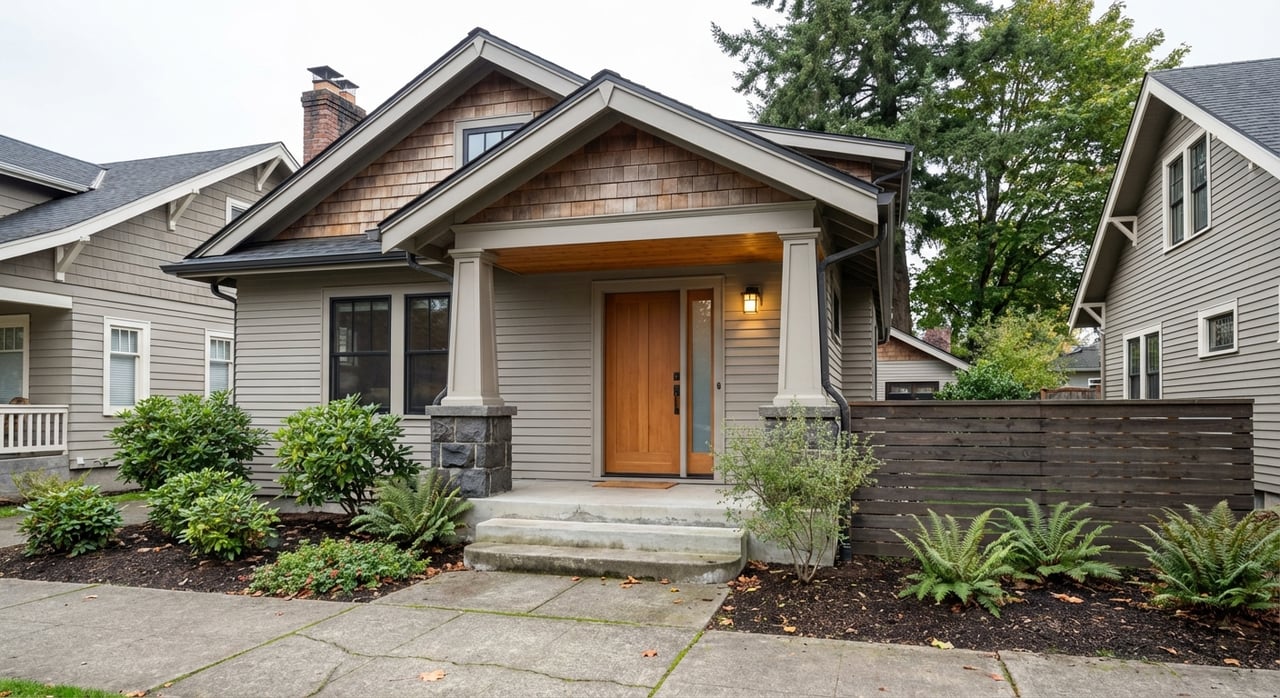
If you love original woodwork, a wide front porch, and a quick walk to coffee or a park loop, North Seattle might be your sweet spot. The tradeoff is real: older homes deliver charm and location, yet they often come with a to‑do list. In this guide, you’ll learn how character homes live day to day, what the commute looks like, how parks and markets shape routines, and what to plan for if you renovate or add an ADU. Let’s dive in.
What “character homes” mean here
Character homes in North Seattle usually date from the early 1900s. You’ll see Craftsman bungalows, Seattle box or Foursquare plans, and Tudor or other Period Revival styles, often on modest lots with alley access and detached garages. These homes anchor the look and feel of Green Lake, Ballard, Fremont, and Maple Leaf. You can trace much of this architecture to early 20th‑century development across Seattle’s neighborhoods, which still shapes the streetscape today. For a deeper historical overview of these styles and patterns, see this context on Seattle’s early residential growth from HistoryLink.
Most homes from this era need targeted upgrades over time. Electrical, insulation, plumbing, and foundation improvements are common. Many lots also fit an accessory dwelling unit, which can add flexibility for multigenerational living or create rental income when rules allow. The bottom line is simple: you buy for character and location, then phase in improvements that match your budget and pace.
Daily life by neighborhood
Green Lake
If your perfect morning starts with a jog, skate, or stroller walk, Green Lake is an easy win. The park’s paved inner loop is 2.8 miles, with paddle rentals, a wading pool, and sports fields that pull neighbors outside in every season. Explore the loop and programs through Green Lake Park. Streets around the lake mix early cottages and Craftsman bungalows with newer infill. Cafes, groceries, and the library are close enough for frequent errands on foot or bike.
Ballard
Ballard blends old‑Seattle maritime roots with a lively main street vibe. Many blocks hold intact period bungalows near Ballard Ave and Market St, where you’ll find bakeries, breweries, and restaurants. Golden Gardens, with beach access and sunset views, is one of the city’s iconic spots for picnics and small fires at night. Learn more about amenities through Golden Gardens Park. The Ballard Locks and fish ladder add an easy nature break to weekly routines.
Fremont
Fremont leans creative and eclectic, with public art, a year‑round Sunday market, and quick access to the Burke‑Gilman Trail. You can bike to Gas Works Park or south to Lake Union in minutes. Housing ranges from Craftsman and period single‑family homes to mid‑century updates and new builds tucked into hilly blocks. Cafes and small shops cluster near the canal, which keeps most daily errands close by.
Maple Leaf
Maple Leaf rises above I‑5 with quiet, tree‑lined streets and a mix of Craftsman bungalows, brick Tudors, and mid‑century homes. Maple Leaf Reservoir Park creates a broad green in the center of the neighborhood, and you can reach Northgate services quickly. Many buyers choose Maple Leaf for a little more space and a calmer rhythm while staying connected to the rest of the city.
Getting around: light rail, buses, bikes
Link light rail now and next
North Seattle connectivity has improved. The Northgate Link extension opened in 2021, which shortened north‑to‑downtown trips for many riders. Service to Lynnwood opened in 2024, extending access farther up the corridor. For the latest project context and milestones around these expansions, start with Sound Transit’s Northgate Link opening announcement. A Ballard Link extension is planned and under environmental review, with projected service years in the 2030s.
Bus corridors and RapidRide
Frequent bus corridors serve Ballard, Fremont, and Green Lake. Route 44 is a key east‑west link that connects Ballard to the U‑District, with service patterns that matter for daily commutes and campus access. You can review route insights and ridership discussions through this Route 44 analysis. King County Metro’s RapidRide network adds priority lanes and better frequency on select corridors.
Bike and walk options
The Burke‑Gilman Trail functions like a low‑stress highway for bikes, with local spurs into Fremont and Ballard. The Green Lake loop is a built‑in daily workout that you can scale to your time window. Walking for errands is common in the village cores, especially near Ballard Ave, Fremont’s canal zone, and the blocks surrounding Green Lake.
For context on commute times, regional data shows average one‑way commutes in King County in the high 20‑minute range. Specific times vary by workplace, route, and time of day, but this gives a helpful benchmark when weighing transit versus driving. Explore the county trend line through this FRED series.
Home prices and what to expect
Neighborhood‑level snapshots update often, yet the general pattern holds. Ballard and Green Lake tend to price above much of the city’s median, while Fremont and Maple Leaf vary by block, house type, and lot size. For a live reference point, review the Ballard neighborhood snapshot on Redfin. Use these figures to frame your search, then confirm with current MLS data when you are close to writing an offer.
What does this mean in practice? If you want a move‑in ready bungalow near a major park, plan for strong competition. If you are open to cosmetic updates or a phased renovation, opportunities widen, especially in pockets a bit farther from the main commercial spines or rail nodes.
Renovation playbook for older homes
Common upgrades to budget
Older systems do their job, yet many buyers plan for updates over the first few years. Common items include electrical panel and wiring improvements, insulation and air sealing, plumbing repairs or repipes, and spot foundation or drainage work. Kitchens and baths usually get modernized for utility and resale. Expect to budget a smart contingency and complete work in phases around your schedule.
Permits, timelines, and resources
Seattle permits many interior and exterior projects, including structural changes, additions, electrical and plumbing work, and ADUs. The Seattle Department of Construction and Inspections runs homeowner outreach and seasonal Home Fairs that help you plan scope, permits, and timelines. Start with SDCI’s ADU overview, then look for upcoming events and guidance on submittals and processing through the city’s Home Fairs and resources.
ADUs for flexibility and value
ADUs are a common path to add living space or create rental income. Seattle allows attached and detached ADUs within size and siting limits that vary by zone and lot conditions. The City also provides pre‑approved detached ADU plans that can speed up permitting in many cases. Review eligibility, size caps, and plan options on the SDCI ADU guidance.
Landmarks and design review
If a property is locally landmarked or sits within a historic district, exterior changes often require an extra review step. That can affect timelines and scope, so plan design early and coordinate with SDCI or the Department of Neighborhoods if you are unsure. Most homes outside of landmark conditions can move ahead with standard permit review once plans are ready.
A week in the life: North Seattle
Picture a Tuesday that starts with a lap around Green Lake, a short bus ride into the U‑District, then an evening walk to a neighborhood bistro. On Saturday, you bike the Burke‑Gilman to Fremont for the market, grab coffee, and loop back through Ballard for tacos on Ballard Ave. Sunday brings a slow morning, a hardware store run for your ongoing bungalow project, then sunset at Golden Gardens.
This is the rhythm many residents choose. Parks, trails, and compact commercial cores keep you close to what you use daily. Character homes add warmth and a sense of history, and you can shape them over time to fit how you live.
Buyer tips for character homes
- Get a thorough inspection of major systems, with a plan for electrical, plumbing, insulation, and foundation priorities.
- Budget a 10 to 20 percent contingency for older‑home surprises, then phase improvements to match your cash flow and tolerance for disruption.
- Weigh ADU potential early. Verify lot size, access, and siting constraints before closing, using SDCI’s published guidance.
- Shop transit‑smart. If you rely on Link or a frequent bus corridor like Route 44, focus your search within a comfortable walk to your stop.
- Look at storage and parking. Many homes have smaller garages or alleys. Plan for bike parking, gear storage, and waste bins.
- Think resale. Simple, durable finishes and energy upgrades tend to return value in these neighborhoods.
Ready to find your fit?
If you want the charm of a Seattle bungalow with a smart plan for updates, you do not have to figure it out alone. Our team blends hands‑on renovation experience with Compass‑backed marketing to help you buy well, phase improvements, and capture upside at resale. We also offer Compass Concierge for pre‑sale projects and a direct‑purchase option if speed and certainty matter.
Start your North Seattle search or renovation plan with Davey Wilde. We will map your goals to the right street, the right house, and the right scope.
FAQs
What defines a “character home” in North Seattle?
- Craftsman bungalows, Seattle box or Foursquare plans, and Period Revival styles from roughly 1905 to 1930, often on modest lots with alley access and detached garages.
How does light rail change North Seattle commutes?
- Northgate Link opened in 2021 and service extended north in 2024, which shortened many trips to downtown and the U‑District. A Ballard extension is planned, with projected service in the 2030s.
Are older homes a good choice if I want modern systems?
- Yes, if you plan for upgrades. Budget for electrical, plumbing, insulation, and targeted foundation work, then modernize kitchens and baths over time.
What are the basic steps to permit an ADU in Seattle?
- Confirm eligibility for attached or detached ADUs, choose a design, prepare plans, and submit to SDCI. Pre‑approved detached plans can shorten review in many cases.
Which North Seattle neighborhoods feel most walkable for errands?
- Green Lake and Fremont are very walkable near their cores. Ballard’s spine around Ballard Ave and Market St is also convenient, with the Burke‑Gilman Trail supporting bike access.